


Exploring the psychology behind casino games Why do we gamble
The Thrill of Uncertainty
The excitement of gambling is deeply rooted in the human psyche, primarily driven by the thrill of uncertainty. This element of unpredictability not only fuels our anticipatory excitement but also releases dopamine, the brain’s feel-good neurotransmitter. When we participate in casino games, we engage in a cycle of hope and anxiety, where the possibility of winning triggers a euphoric response, often overshadowing the risks involved. Many players today are exploring crypto poker sites as an alternative way to experience this thrill.
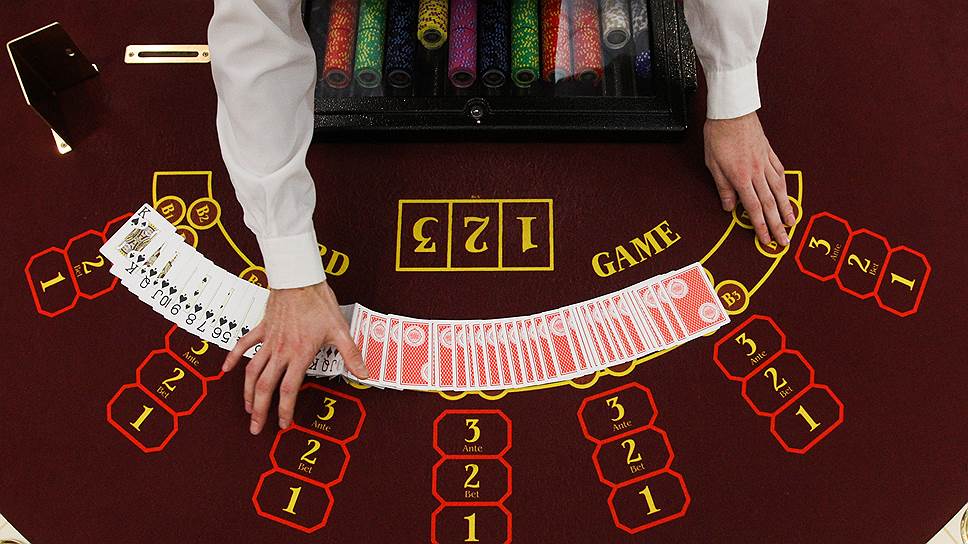
This psychological response is amplified by the structure of casino games, which are designed to keep players on edge. The near-miss outcomes, for example, create an illusion of control, leading players to believe that their next bet may be the winning one. This form of gambling psychology keeps players engaged, as they chase the elusive high associated with winning, even in the face of consistent losses.
Social Interaction and Community
Gambling is not just an individual activity; it is often a social experience that fosters connections within communities. Many people are drawn to casinos not only for the games but for the social interaction that accompanies them. The atmosphere of excitement in a casino can create a sense of belonging, where individuals share in the highs and lows of the gaming experience together.
This social dynamic is particularly appealing in games that require multiple players, such as poker. These settings encourage camaraderie and competition, making gambling a collective endeavor. Engaging with others can heighten the overall experience and distract from the risks involved, further entrenching participants in the gambling culture.
The Role of Escape and Fantasy
For many, gambling serves as an escape from the mundanity of daily life. The bright lights, sounds, and even the promise of wealth create a fantasy that allows individuals to temporarily forget their problems. By immersing themselves in this alternate reality, gamblers can experience a sense of freedom and adventure that may elude them in their everyday lives. This escapism can be a powerful motivator, particularly for those facing stress or dissatisfaction. Unknown factors can also influence a person’s decision to gamble, adding layers to this complex relationship.
Additionally, casino games provide an opportunity to indulge in the fantasy of becoming a winner, even if just for a fleeting moment. This allure is often enough to draw people back into gambling despite the risks involved. It is this blend of escape and the hope for a life-changing win that perpetuates gambling behavior and the cycle of risk-taking.
The Impact of Marketing and Design
The psychological allure of casinos is greatly enhanced by strategic marketing and game design. Casinos employ a variety of tactics to entice players, using visual and auditory stimuli that create an immersive experience. Bright colors, enticing sounds, and the layout of machines are meticulously planned to maximize engagement and prolong playtime. These design elements are crafted to trigger excitement and keep players feeding coins into machines or placing bets.
Promotional incentives, such as loyalty programs and free play offers, further exploit players’ psychology, tapping into their desire for rewards and discounts. This interplay between marketing and psychological engagement ensures that players remain attached to casino games, often leading to an increase in gambling frequency and expenditure.

Understanding Your Relationship with Gambling
It’s crucial to recognize and understand one’s relationship with gambling, especially in a world where many individuals find themselves drawn to casino games. Acknowledging motivations behind gambling behavior can lead to healthier habits and responsible gaming practices. This is essential in navigating the excitement and thrill of gambling while recognizing when it may become problematic.
While the allure of casinos can be enticing, it’s essential to approach gambling with a mindful perspective. Recognizing the psychological factors at play can empower individuals to make informed decisions about their gambling activities, ensuring it remains an enjoyable pastime rather than a detrimental habit.